Author: Yuresh

  • Common Mistakes in Podcast Production and How to Avoid Them

    Common Mistakes in Podcast Production and How to Avoid Them

    Podcasting has become a powerful medium for storytelling, education, and entertainment, but producing a professional, engaging podcast isn’t as simple as hitting the record button. Many podcasters, both beginners and experienced, encounter pitfalls that can undermine the quality and impact of their show. Below are some of the most common mistakes in podcast production and practical solutions to avoid them.


    1. Poor Audio Quality

    Audio quality is the cornerstone of a successful podcast. As Adrian Stubbs aptly puts it, sound quality makes up “70% of what makes a podcast work.” Even the most compelling content will fail to captivate if it’s difficult to hear or marred by background noise.

    How to Fix It:

    • Invest in Quality Equipment: Use a good condenser microphone and avoid recording with built-in laptop mics or smartphones.
    • Choose a Quiet Recording Environment: Eliminate background noise by recording in a quiet space and using soundproofing techniques.
    • Focus on Mic Placement: Position microphones properly—too far away, and you risk picking up ambient noise; too close, and you might cause distortion.
    • Employ Noise Reduction Tools: Use editing software to remove unwanted noise and polish your audio.

    2. Lack of Preparation

    Podcasting without preparation often results in rambling content and a lack of focus, which can cause listeners to tune out. A clear structure and thorough research are essential to keep your audience engaged.

    How to Fix It:

    • Plan Your Episodes: Outline a format, including an introduction, main points, and a conclusion.
    • Research Thoroughly: Ensure you’re well-versed in the topics you cover to provide value to your listeners.
    • Write a Script or Bullet Points: While you don’t need to read verbatim, having a guide can keep you on track.

    3. Inconsistent Publishing Schedule

    Consistency is crucial for building audience loyalty. Irregular uploads make it difficult for listeners to know when to expect new content, potentially driving them away.

    How to Fix It:

    • Stick to a Schedule: Whether it’s weekly, bi-weekly, or monthly, commit to a release schedule that works for you.
    • Batch Record Episodes: Record multiple episodes in advance to stay ahead of your publishing deadlines.

    4. Weak Engagement with Listeners

    Podcasts thrive on connection. Failing to engage with your audience or ignoring their feedback can make your show feel impersonal.

    How to Fix It:

    • Encourage Feedback: Invite listeners to share their thoughts, questions, or topic suggestions.
    • Interact on Social Media: Use platforms like Instagram, Twitter, or LinkedIn to connect with your audience.
    • Adapt Based on Listener Input: Implement suggestions to show that you value their opinions.

    5. Overediting or Underediting

    Editing is a delicate balance. Overediting can strip away the natural flow of a conversation, while underediting leaves in unnecessary filler or awkward silences.

    How to Fix It:

    • Edit Thoughtfully: Remove only what’s needed to improve clarity and pacing while keeping the conversation natural.
    • Prioritize Flow: Ensure transitions between topics feel smooth and logical.

    6. Neglecting Promotion

    Even the best podcast will struggle to find an audience without promotion. Failing to market your show limits its reach and potential growth.

    How to Fix It:

    • Use Social Media: Share highlights, episode snippets, and updates on platforms where your audience is active.
    • Collaborate with Others: Feature guest speakers or cross-promote with other podcasts to expand your reach.
    • Leverage SEO: Write compelling episode titles and descriptions with keywords to make your podcast discoverable.

    Final Thoughts

    Producing a high-quality podcast involves more than just technical expertise—it’s about creating a meaningful connection with your audience. As Trevor O highlights, even with the best gear, the magic happens when someone knows how to work with it. By avoiding these common mistakes and applying these strategies, you’ll be well on your way to crafting a podcast that stands out in a crowded market.

  • How to Write the Perfect Title for Your Podcast

    How to Write the Perfect Title for Your Podcast

    Crafting the perfect title for your podcast is essential for attracting listeners, conveying the essence of your content, and standing out in a crowded marketplace. Here are some key strategies to help you create a compelling and effective podcast title.

    1. Understand Your Audience

    Before brainstorming titles, understand your target audience. Consider their interests, language, and what they might be searching for. A title that resonates with your audience’s needs and preferences will capture their attention more effectively.

    2. Be Clear and Concise

    Your podcast title should clearly communicate the theme or topic of your show. Avoid using jargon or overly complex language. A concise title is easier to remember and more likely to be shared. Aim for a title that’s no more than 5-7 words.

    3. Include Keywords

    Incorporate relevant keywords that potential listeners might use when searching for content like yours. This improves the discoverability of your podcast in search engines and podcast directories. For instance, if your podcast is about health and fitness, include terms like “health,” “fitness,” or “wellness” in the title.

    4. Make It Unique and Memorable

    A unique title helps your podcast stand out. Avoid generic titles that might blend in with countless others. Instead, think of creative and original names that reflect your podcast’s unique angle or personality. A memorable title is one that listeners will easily recall and recommend.

    5. Reflect Your Brand and Tone

    Your podcast title should align with your brand and the tone of your content. Whether your podcast is serious, humorous, educational, or inspirational, the title should give potential listeners a hint of what to expect. Consistency in branding helps in building a loyal audience.

    6. Test with Your Audience

    If you have a community or following, consider testing a few potential titles with them. Gather feedback to see which titles resonate the most. This can provide valuable insights and ensure that your chosen title will appeal to your target audience.

    7. Avoid Common Pitfalls

    • Overly Long Titles: Long titles are difficult to remember and may get truncated in podcast directories.
    • Ambiguity: Avoid titles that are too vague or don’t give a clear indication of what the podcast is about.
    • Copying Competitors: While it’s good to be aware of what competitors are doing, ensure your title is original and doesn’t infringe on their brand.

    Examples of Effective Podcast Titles

    1. “How I Built This” – Clear, concise, and intriguing, giving listeners a good idea that the podcast will explore stories of building something significant.
    2. “Science Vs” – Short, memorable, and indicative of a podcast that compares science with popular myths.
    3. “The Daily” – Simple and straightforward, suggesting a daily news update.

    Final Thoughts

    Creating the perfect podcast title is a blend of art and science. By understanding your audience, being clear and concise, including relevant keywords, making the title unique and reflective of your brand, and avoiding common pitfalls, you can craft a title that not only attracts listeners but also sets the stage for your podcast’s success. Remember, your title is often the first impression potential listeners have, so make it count. Happy podcasting!

  • How to Get Guests for Your Podcast: A Short Guide

    How to Get Guests for Your Podcast: A Short Guide

    Attracting engaging guests to your podcast can significantly enhance your show’s value, expand your audience, and provide fresh perspectives. Here’s a step-by-step guide to help you secure the right guests for your podcast.

    1. Define Your Audience and Podcast Goals

    • Understand Your Audience: Know who listens to your podcast. What are their interests, demographics, and what kind of guests would they appreciate?
    • Align Guests with Goals: Choose guests who align with your podcast’s theme and goals. For example, if your podcast is about entrepreneurship, look for successful entrepreneurs, business coaches, or startup investors.

    2. Identify Potential Guests

    • Start with Your Network: Begin by reaching out to your personal and professional network. You might already know potential guests or people who can introduce you to guests.
    • Use Social Media: Platforms like LinkedIn, Twitter, and Instagram are excellent for finding and connecting with potential guests. Engage with their content before sending a direct message.
    • Leverage Guest Booking Services: Consider using services that specialize in matching podcasts with guests, such as Podcast Guests or MatchMaker.fm.

    3. Craft a Compelling Invitation

    • Personalize Your Approach: Tailor each invitation to the potential guest, mentioning why they are a great fit for your podcast and how the episode could benefit them.
    • Be Clear and Concise: Clearly outline what your podcast is about, the expected commitment, and what you will discuss during the episode.
    • Provide Value: Explain how appearing on your podcast can benefit the guest, whether it’s reaching a new audience, promoting a product, or sharing their story.

    4. Prepare and Send Invitations

    • Email and Direct Messaging: Most initial contacts are made through email or social media messages. Make sure your message is professional and friendly.
    • Follow-Up: If you haven’t heard back in a week or so, send a polite follow-up. People are busy, and a gentle reminder can help.

    5. Make Scheduling Easy

    • Use Scheduling Tools: Tools like Calendly or Doodle can simplify the process of scheduling by allowing guests to choose times that work for them without back-and-forth emails.

    6. Prepare for the Interview

    • Research Your Guest: Do your homework. Listen to other interviews they’ve done, read their books or articles, and use this information to ask informed and unique questions.
    • Provide a Great Experience: Ensure the technical aspects of your podcast are in order, from sound quality to connection stability. Make your guest comfortable and respected throughout the process.

    7. Express Gratitude

    • Follow Up with Thanks: Send a thank-you note or email expressing your gratitude for their time and contribution.
    • Share the Episode: Once the episode is live, share it with your guest and encourage them to distribute it through their channels. This not only extends your reach but also shows your guest you value their contribution.

    8. Build Relationships

    • Maintain Contact: Keep in touch with guests after their episodes air. Building lasting relationships can lead to future collaborations or referrals.

    By systematically identifying, inviting, and hosting guests, you can enhance your podcast’s appeal and reach. Each guest brings new listeners and enriches your content, making your podcast a dynamic and continually evolving project.

  • 5 Reasons Why You Should Create a Series on Your Podcast

    5 Reasons Why You Should Create a Series on Your Podcast

    In the ever-evolving world of podcasting, standing out from the crowd requires innovative strategies that captivate your audience and keep them coming back for more. One powerful approach is to create a series within your podcast. Here are five compelling reasons why you should consider this strategy:

    1. Deep Dives into Topics

    Creating a series allows you to delve deeply into specific topics, offering comprehensive coverage that single episodes might not achieve. This format enables you to explore various facets of a subject, provide detailed analysis, and feature multiple expert opinions, making your podcast a valuable resource for your listeners.

    2. Enhanced Storytelling

    A series format enhances storytelling by providing the space to develop intricate narratives. Whether it’s a true crime saga, an inspiring journey, or a historical exploration, a series allows you to build suspense, create character arcs, and engage your audience with compelling, ongoing content.

    3. Increased Engagement

    When listeners become invested in a series, they’re more likely to return for each new episode. This boosts your engagement metrics and encourages a loyal listener base. Teasing upcoming episodes and creating cliffhangers at the end of each installment can further enhance this effect, keeping your audience eagerly anticipating the next release.

    4. Opportunities for Monetization

    A well-executed series can open up new monetization opportunities. With a dedicated listener base tuning in regularly, you can attract sponsors who want to reach a committed and engaged audience. Additionally, offering exclusive content, such as bonus episodes or early access to series episodes through a subscription model, can generate additional revenue.

    5. Structured Content Planning

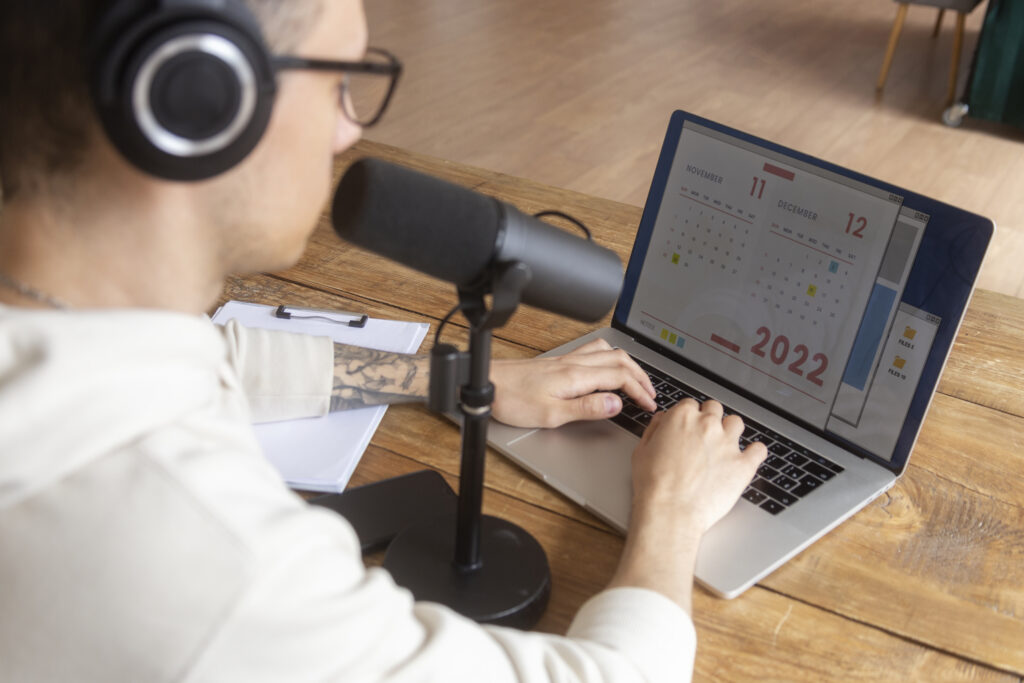
    Planning a series provides a clear structure for your content calendar, making it easier to organize and produce episodes. This can streamline your production process, ensuring that each episode is well-researched and polished. It also allows you to map out promotional strategies in advance, creating a cohesive marketing plan that enhances the reach and impact of your series.

    Conclusion

    Creating a series on your podcast can transform your content, engaging your audience on a deeper level and providing opportunities for growth and monetization. By diving deep into topics, enhancing storytelling, boosting engagement, opening monetization avenues, and streamlining content planning, a series can elevate your podcast to new heights. Embrace this strategy and watch your podcast thrive.

  • Best Podcast Recording Software (And Which One Is Right for You)

    Best Podcast Recording Software (And Which One Is Right for You)

    One of the first questions new podcasters ask is:
    “What’s the best software to record my podcast?”

    The honest answer is: there is no single best tool.
    There is only the right tool for where you are in your podcasting journey.

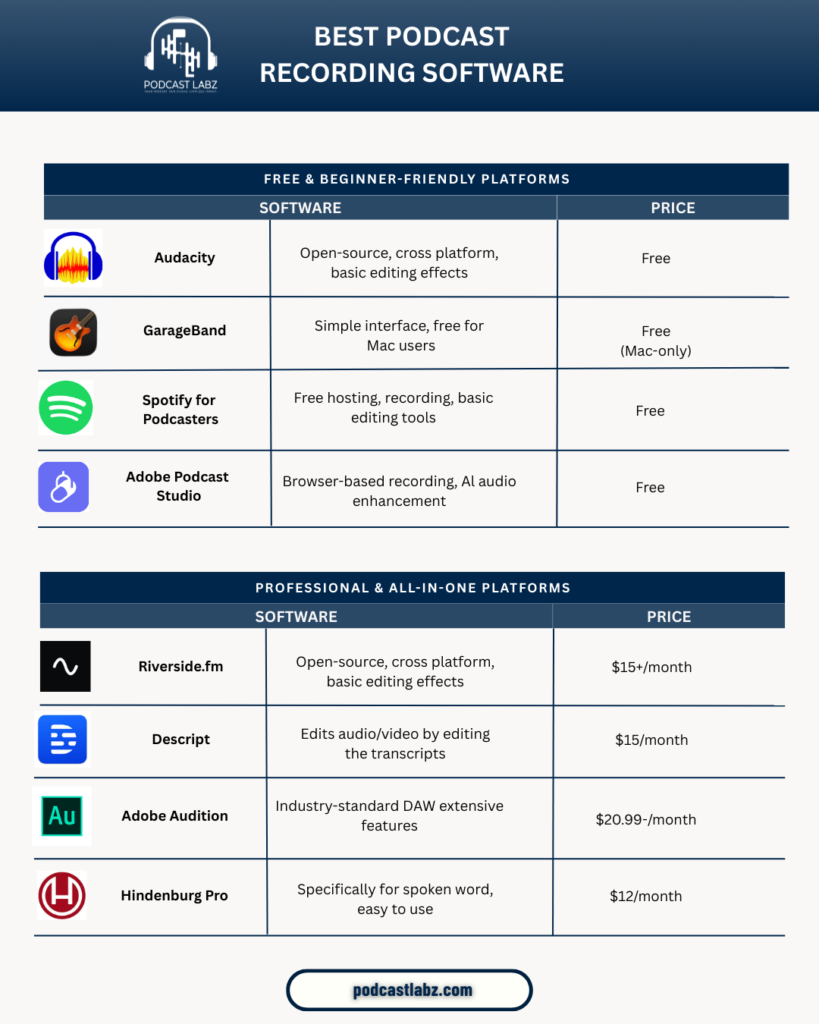
    Below is a clear comparison of some of the most popular podcast recording platforms, broken down into beginner-friendly tools and professional all-in-one platforms.


    Free & Beginner-Friendly Podcast Recording Software

    These tools are ideal if you’re just getting started, testing an idea, or working with a tight budget.

    Audacity

    Audacity is a powerful open-source audio editor that works on Windows and Mac.
    It’s great for basic recording and editing, but the interface can feel overwhelming for beginners. There’s no built-in remote recording or video support, so it works best for solo podcasts.

    Best for: DIY podcasters who don’t mind learning the basics of audio editing.


    GarageBand

    GarageBand is a clean, simple option for Mac users.
    It’s intuitive, beginner-friendly, and great for recording clean audio quickly. However, it’s limited to Apple devices and lacks advanced podcast-specific features.

    Best for: Solo podcasters using Mac who want a simple setup.


    Spotify for Podcasters

    Spotify for Podcasters offers free recording, hosting, and basic editing tools in one place.
    It’s extremely accessible, but customization and audio control are limited compared to professional tools.

    Best for: First-time podcasters who want everything in one free platform.


    Adobe Podcast Studio

    This browser-based tool shines because of its AI audio enhancement.
    It’s excellent for improving voice quality quickly, though it’s not a full editing solution.

    Best for: Podcasters who want fast, clean audio without complex editing.


    Professional & All-in-One Podcast Platforms

    If you’re publishing consistently, interviewing guests, or recording video podcasts, these tools offer much more control and quality.

    Riverside.fm

    Riverside records high-quality local audio and video, even with remote guests.
    It’s one of the best tools for professional-grade recordings, especially for video podcasts.

    Best for: Interview-based podcasts and creators focused on video quality.


    Descript

    Descript lets you edit audio and video by editing text.
    It’s a powerful tool for content repurposing, social clips, and fast edits, though it still requires some learning.

    Best for: Podcasters who want speed and transcript-based editing.


    Adobe Audition

    Adobe Audition is an industry-standard digital audio workstation used by professionals.
    It offers deep control over sound quality, noise reduction, and advanced editing but comes with a learning curve.

    Best for: High-quality, polished podcasts that need professional post-production.


    Hindenburg Pro

    Hindenburg is designed specifically for spoken-word content.
    It simplifies audio leveling, loudness, and clarity, making it a favorite among journalists and podcast producers.

    Best for: Podcasters who care about storytelling and clean dialogue.


    So… Which One Should You Choose?

    • Just starting out? Free tools are enough.
    • Recording interviews or video? Go professional.
    • Want your podcast to sound consistent and credible? Editing matters more than the tool.

    Great podcasts aren’t defined by software alone.
    They’re defined by clarity, pacing, and storytelling.

    That’s where a professional podcast editor makes the difference.


    Final Thought

    Your recording software helps you capture the conversation.
    A podcast editor helps shape the experience.

    If you’re recording episodes but struggling with editing, consistency, or polish, that’s a sign it might be time to hand post-production off to a professional.

    If you’re building a podcast and care about quality, feel free to connect.
    Happy to share insights or help you find the best setup for your show.