Author: Yuresh

  • How to Find Podcast Sponsors in 2026

    How to Find Podcast Sponsors in 2026

    By Yuresh Shayzer | Podcast Labz

    So your podcast is growing downloads are climbing, guests are saying yes, and your listeners are showing up every week. The next question: how do you turn that momentum into money?

    Let’s break down the essentials of finding (and keeping) great sponsors in 2026.


    1️⃣ Start with purpose, not profit

    Before chasing sponsors, clarify why you want them. If your podcast already fuels your business or personal brand, your episodes might already be your best marketing asset. Many of my clients monetize their podcasts indirectly by generating leads, building trust, or showcasing their expertise.

    But once you hit that point where your audience starts to scale, sponsorships can be a fantastic next step.

    2️⃣ Understand what sponsors actually care about

    Brands don’t just buy ad space; they buy connection. Here’s what they’ll want from you:

    • Your pitch: A clear reason why your show fits their audience.
    • Your audience data: Use Buzzsprout or Spotify for Podcasters to show who listens, where they’re from, and what they care about.
    • Your ad inventory: Know where your pre-roll, mid-roll, and post-roll slots will go. (Mid-roll is still the king!)
    • Your value: Even with 1,000 loyal listeners, you can deliver results if your niche and engagement are strong.

    3️⃣ Types of podcast sponsorships

    In 2026, there are two dominant models:

    • CPM (Cost Per Mille): You’re paid per 1,000 downloads. Rates range from $15 to $40 CPM depending on your niche.
    • CPA (Cost Per Action): You earn when listeners take a specific action like using a code or visiting a link.

    Smaller shows often start with CPA deals, but CPM quickly becomes more profitable once your audience crosses 1 K downloads per month exactly the threshold Buzzsprout uses for its own ad program.


    4️⃣ Where to find podcast sponsors

    • Buzzsprout Ads: Built-in monetization once you hit 1 K downloads in 30 days.
    • Podcorn / Gumball / AdvertiseCast: Marketplaces connecting podcasters and brands.
    • LinkedIn & X (Twitter): Reach out directly to founders and marketers in your niche.
    • Your network: Ask past guests for brand recommendations they often know decision-makers.

    5️⃣ The overlooked truth

    Sponsors aren’t just buying ads on your podcast they’re buying trust with your audience. That’s why alignment beats audience size. When your brand values match the sponsor’s message, listeners actually pay attention. In fact, 60% of podcast listeners say they remember and consider ads from trusted hosts.


    6️⃣ Monetization isn’t the only win

    Remember the most profitable podcasts don’t rely solely on ads. You can also monetize through:

    • Courses & Coaching
    • Premium Episodes & Memberships
    • Merchandise & Live Events
    • Producing podcasts for others ( my favorite)

    7️⃣ My recent client win

    Just this week, one of our clients hit 1,000 downloads in three days on Buzzsprout. That unlocked access to their Ads program a huge milestone toward consistent monetization.

    What made it work? Clean audio, consistent publishing, and a tight 30-minute format that kept listeners coming back.


    💡 Final Thought

    You don’t need a top-100 show or a studio full of gear. You just need a message worth hearing and the discipline to show up every week.

    Because in 2026, clarity and consistency are the new currency in podcasting.


    Thinking about monetizing your show? Let’s talk I’ll walk you through how to prepare your podcast for sponsors and build systems that make your show pay for itself.

    📩 yureshreel@gmail.com | #PodcastLabz

    #Podcasting #Buzzsprout #Monetization #PodcastGrowth #CreatorEconomy #Podcasters #ContentCreation #DigitalMarketing #BrandBuilding

  • The Most Common Mistakes I See in Podcast Production (and How to Avoid Them)

    The Most Common Mistakes I See in Podcast Production (and How to Avoid Them)

    As a podcast editor with years of experience, I’ve worked with shows of all sizes new creators launching their very first episode to seasoned hosts looking to polish their production. One thing I’ve noticed: many podcasts fail not because of bad ideas, but because of avoidable production mistakes.

    Here are the mistakes I see most often, and how you can steer clear of them:


    1. Poor Audio Quality

    This is by far the number one killer of podcasts. Listeners might forgive a guest stumbling over words, but they won’t tolerate distorted, echoey, or muffled audio.

    How to avoid it:

    • Invest in a good microphone (USB mics like the Shure MV7 or XLR setups are worth it).
    • Record in a quiet, treated space (even simple rugs/curtains help reduce echo).
    • Always do a quick test recording before the actual session.

    2. Lack of Preparation & Structure

    I’ve edited episodes where the host jumps in with no plan leading to rambling conversations that lose focus fast. Structure doesn’t kill creativity, it enhances flow.

    How to avoid it:

    • Outline the key points or questions before recording.
    • Think of your episode like a story: hook → build-up → key moment → closing takeaway.
    • Leave room for natural conversation, but keep a roadmap in hand.

    3. Inconsistent Scheduling

    Many podcasts fade out after a few episodes because they don’t have a release rhythm. Listeners lose trust when they don’t know when to expect your content.

    How to avoid it:

    • Choose a schedule you can stick to (weekly, biweekly, monthly).
    • Batch record episodes ahead of time to avoid last-minute stress.
    • Treat your release schedule like a commitment to your audience.

    4. Over-Reliance on Zoom Recordings

    I can’t count how many times I’ve received podcast audio recorded over Zoom. While convenient, it compresses audio and reduces quality.

    How to avoid it:

    • Use platforms designed for podcasting (Riverside, SquadCast, Zencastr).
    • If Zoom is unavoidable, record backup audio locally using a simple free tool like Audacity.

    5. Overediting or Underediting

    Some shows leave in every filler word and awkward pause, while others chop so aggressively that the flow feels robotic.

    How to avoid it:

    • Aim for balance clean up distractions (ums, background noise), but keep the natural energy.
    • Always listen from the audience’s perspective: does this sound smooth and engaging?

    6. Forgetting Promotion

    A polished podcast without promotion is like a book left in a drawer. Many creators pour energy into recording but forget to market it.

    How to avoid it:

    • Repurpose your episodes into short clips, reels, or quotes for social media.
    • Build an email list to notify your audience of new releases.
    • Engage with listeners ask for feedback, encourage reviews, and share your behind-the-scenes.

    Final Thoughts

    At the end of the day, podcasting is about connection. You don’t need a Hollywood-level studio, but you do need attention to detail, consistency, and a focus on your listener’s experience.

    As an editor, my job is to take raw recordings and make them shine but the best results always start with good habits at the production stage.

    I’m curious: what do you think is the biggest mistake podcasters make?

    #Podcasting #ContentCreation #AudioEditing #Podcasters

  • A Breakdown by Category: What’s Hot, Who’s Listening & Why it Matters

    A Breakdown by Category: What’s Hot, Who’s Listening & Why it Matters

    Podcasting in 2026 isn’t just a trend; it’s an essential part of modern content consumption. With over 5 million podcasts and millions of daily listeners, the medium continues to evolve across industries and interests.

    But with so many options, where should listeners (and creators) focus their time? Let’s dive into the top podcast genres by category and why they’re dominating the audio space this year.


    1. Technology Podcasts

    Why it’s booming: With AI, Web3, AR/VR, and automation reshaping every part of our lives, listeners are eager to stay ahead of the curve. These shows break down complex topics into accessible, engaging content.

    Popular Topics:

    • AI tools and trends
    • Future of work & robotics
    • Startup tech & product innovation
    • Ethical tech & digital rights

    Top Audience: Founders, developers, creators, and curious learners.


    2. Business & Entrepreneurship

    Why people love it: These podcasts are like free MBAs. In 2025, business shows are more transparent than ever, with guests sharing real stories about wins, losses, and how to scale smart.

    Popular Formats:

    • Founder journeys
    • Daily business tips
    • Niche marketing advice (e.g., for coaches, SaaS, creators)
    • Side hustle and freelance content

    Emerging Sub-Genres:

    • Creator economy
    • Remote team management
    • AI in business

    3. Arts, Design & Creativity

    Why it stands out: As people seek deeper meaning and expression, arts-focused podcasts offer rich, imaginative content. They’re also visually driven when paired with video.

    Covered Themes:

    • Interviews with designers, authors, musicians
    • Behind-the-scenes of creative projects
    • Conversations around cultural shifts and aesthetics
    • Creative entrepreneurship

    Top Listeners: Artists, students, brand strategists, and curious minds.


    4. Politics & News

    Why it matters in 2026: With elections, climate policy, and global conflicts at the forefront, political and news podcasts are more important (and scrutinized) than ever. Listeners want trusted voices, not just headlines.

    Podcast Styles:

    • Daily news roundups
    • Deep-dive investigative series
    • Panel discussions with diverse opinions
    • Global politics and diplomacy

    Audience: Civic-minded listeners, professionals, academics, and activists.


    5. Health & Wellness

    Why it’s thriving: Wellness isn’t just a trendit’s a lifestyle. These podcasts blend science, spirituality, and habit-forming advice for people who want to optimize their minds and bodies.

    Subtopics That Are Hot Right Now:

    • Mental health and therapy
    • Fitness, biohacking, and recovery
    • Holistic nutrition
    • Sexual health and body positivity

    Audience: Millennials, Gen Z, health professionals, and lifestyle enthusiasts.


    6. Education & Personal Development

    Why it’s growing: The rise of self-directed learning has made podcasts a go-to for skill building and mindset shifts. In 2026, education podcasts cater to niche learners and lifelong students.

    Popular Topics:

    • Language learning
    • Philosophy and psychology
    • Career advice & mentorship
    • Time management and productivity hacks

    Audience: Students, educators, remote professionals, and autodidacts.


    7. Finance & Investing

    Why it’s powerful: Listeners want financial literacy in their pocket. Whether they’re navigating crypto, taxes, or side hustles, money podcasts deliver real-world guidance.

    Trending Sub-Niches:

    • Women & finance
    • Real estate investing
    • Crypto & digital assets
    • Freelancers & creator income

    Audience: Professionals, side hustlers, and small business owners.


    8. Storytelling & True Crime

    Why it continues to dominate: Humans crave stories, especially real ones that shock, inspire, or teach. True crime remains a podcasting heavyweight, but fictional storytelling is also surging.

    Styles:

    • Serialized narratives
    • Investigative journalism
    • Audio dramas
    • Personal memoirs

    Top Listeners: Commuters, crime buffs, writers, and binge listeners.


    9. Society & Culture

    Why people tune in: These podcasts create space for deep reflection, cultural critique, and social commentary. In 2026, they’re more diverse, global, and inclusive than ever.

    Topics Covered:

    • Race, identity, and belonging
    • Feminism and gender
    • Cultural trends and internet behavior
    • Historical re-examinations

    Audience: Thinkers, community builders, Gen Z, educators.


    10. Comedy & Entertainment

    Why we need it: In a world that feels overwhelming, laughter is medicine. Comedy podcasts provide levity, relatability, and viral moments.

    What works best:

    • Banter between hosts
    • Comedic takes on current events
    • Satirical storytelling
    • Games, improv, and “roasts”

    Popular with: Younger audiences, pop culture fans, and casual listeners.


    Final Thoughts:

    In 2026, podcast genres aren’t just about what’s popular; they’re about what’s relevantaccessible, and authentic.


     What genre do YOU love most or plan to start a podcast in? Let’s continue the conversation. Drop a comment or connect with me to share your thoughts.

  • 8 Podcasting Myths to Leave Behind in 2026

    8 Podcasting Myths to Leave Behind in 2026

    (From my experience editing 400+ podcasts over 5 years)

    Podcasting is growing faster than ever. But after working with hundreds of podcasters, I’ve noticed that many beginners (and even some seasoned hosts) fall into the same traps, believing myths that hold them back.

    Let’s bust some of the biggest misconceptions I see every day:


    1) You need expensive equipment to start

    This is the #1 excuse I hear. Truth is, you don’t need a studio full of fancy gear to launch. A decent USB mic, headphones, and free software like Audacity or Descript are more than enough to get started.  Good editing and clear recording matter way more than a $1,000 mic setup.


    2) You need a huge audience to make money

    Not true. I’ve seen shows with just 500 loyal listeners bring in sponsors and sell coaching programs. Monetization is about engagement, not numbers. A small but dedicated audience that trusts you will support you far more than a big, passive one.


    3) The podcast market is oversaturated

    I hear this all the time: “There are too many podcasts already.”  But here’s the reality: most podcasts quit after 10 episodes (the famous “podfade”). Out of millions of podcasts, only a few hundred thousand are actually active. Your unique voice and perspective still matter.


    4) Longer episodes = better episodes

    Not true. The best length is as long as your content stays valuable.  I’ve edited 15-minute episodes that outperformed 90-minute ones because they respected the listener’s time. Focus on clarity and flow, not hitting an arbitrary runtime.


    5) You need to be an expert to start

    Nope. Some of the best podcasters I’ve edited are not “experts” but learners. They share their journey, interview others, and create a community around curiosity. Listeners care more about authenticity and connection than credentials.


    6) You need to publish daily

    Consistency matters more than frequency. If weekly feels overwhelming, start biweekly. I often recommend 2 episodes per month for beginnersit’s sustainable, gives you room to plan, and avoids burnout.


    7) Social media will grow your show by itself

    Posting clips is great, but social media alone won’t build your audience. From my experience, growth comes from:

    • SEO-friendly show notes & website
    • Networking with guests (shared audiences!)
    • Newsletters & word-of-mouth Social is a tool, not the engine.

    8) Success happens overnight

    Podcasting is a long game. Yes, there are exceptions, but most successful shows took monthsor even yearsof consistent publishing, refining, and engaging with listeners before things really took off.


    Final Thought

    As an editor, I’ve seen podcasters quit too soon because they bought into these myths. The truth is simpler: start small, stay consistent, and focus on connection.  That’s what separates podcasts that fade away from the ones that grow.

    Which of these myths did you believe when you first started?

    #PodcastTips #ContentCreation #PodcastGrowth #PodcastEditing

  • 7 Proven Podcast Promotion Strategies to Accelerate Growth

    7 Proven Podcast Promotion Strategies to Accelerate Growth

    Podcast creation requires creativity, but reaching a wider audience demands a strategic approach. Even successful podcasts face the “sophomore slump,” where audience growth stalls despite high-quality episodes. The solution isn’t just making great episodes’ strategic promotion, consistency, and cross-platform presence. Here’s how everyday podcasters are boosting their audience and impact:

    1. Optimize Everywhere Your Podcast Appears

    Start with your show’s online footprint. Listings on Apple Podcasts and Spotify impact how new listeners discover your episodes. Use keyword-rich titles and descriptions, aligned with what your audience is searching for. The subtitle section is powerful, embedding guest names, trending topics, and SEO-friendly phrases to improve search visibility. Eye-catching cover art and fully completed profiles give the show a professional and trustworthy appearance.

    Regularly review analytics from each platform. Are listeners dropping off at a certain point? Use this feedback to tweak content and descriptions for maximum retention and discovery.

    2. Use Facebook, Twitter, and LinkedIn for Cross-Promotion

    Facebook remains one of the most versatile tools with targeted ads, podcast groups, and direct engagement. Creating audience-specific ads (focused by location, career, or interests) helps avoid wasted spend and reaches listeners who are genuinely interested. Test different creatives and track what works best over time.

    Twitter and LinkedIn let you spotlight key quotes, moments, and audiograms. On Twitter, pre-writing shareable tweets for guests increases your post’s reach exponentially. On LinkedIn, audiograms and carousel graphics break through the text-heavy feed, drawing more attention.

    3. Leverage Email to Build and Mobilize an Audience

    Email marketing drives direct engagement. Offer valuable bonuses in exchange for subscribers ‘ exclusive content, early access, or giveaways. For each episode, send a newsletter with a personal intro, an intriguing excerpt, and a link to listen. Guests are powerful amplifiers: provide them with tailored email copy, so they can share their episode with their own list, unlocking entirely new audiences for your show.

    4. Secure Well-Known Guests to Amplify Exposure

    Getting recognized guests expands both the audience and credibility. Connections develop over time; start by engaging with potential guests on social, mentioning them in episodes, and joining industry events. A single big-name interview can drive waves of new listeners, especially if you make sharing easy for the guest, with graphics, snippets, and clear links to your podcast.

    5. Craft Powerful Calls to Action in Every Episode

    Listeners need clarity and motivation. Early in each episode, authentically ask for reviews and subscriptions, explaining how audience support drives better content. Run periodic giveaways and incentives to reward reviews or shares. Announcing winners publicly is a subtle nudge to encourage other listeners to participate as well.

    6. Robust Guest Onboarding and Cross-Promotion

    Provide guests with everything they need to promote their appearance: written captions, visual assets, and direct links. Explain your promotion plan so guests know they’re also getting exposure. The best guests will share your show with their own engaged followers, building your episode’s reach beyond your core audience.

    7. Build Community Through Interaction and Recognition

    Interact beyond the audio. Highlight listener comments or reviews during episodes and in social posts. Celebrate milestones and “shout out” to top fans. This ongoing dialogue turns casual listeners into loyal advocates. Ask open questions on social media to spark discussions and collect feedback, further driving engagement across platforms.


    Strategic promotion is a game-changer. Implement these actionable tactics, measure results, and continuously refine your approach to build a podcast that not only finds listeners but keeps them coming back for every episode.

    #PodcastPromotion #GrowthHacks #AudienceEngagement Here’s a deeper, advanced LinkedIn article expanding on each podcast promotion strategy with practical, nuanced advice:


    7 Podcast Promotion Strategies for Rapid Audience Growth

    Every podcaster hits a plateau with great episodes, but stagnant numbers. The key to unlocking growth is strategic, multi-layered promotion. Let’s dive deep into seven proven approaches every podcaster should master:

    1. Optimize Your Show on Every Platform

    Podcast directories like Apple Podcasts and Spotify are competitive. To stand out, focus on discoverability:

    • Use keyword-rich titles and episode descriptions geared toward trending topics or listener questions.
    • Update your podcast’s subtitle field with guest names and attention-grabbing hooks to capture more search traffic.
    • Constantly review your analytics to find growth opportunities; tweak your metadata based on what works best for your audience and category.

    2. Supercharge Social Promotion

    Don’t just drop episode links and hope for listens.

    • Segment Facebook ads to reach demographic audiences most likely to care about your topics by interest, career, or location.
    • Create eye-catching visuals and audiograms for LinkedIn and Twitter.
    • Prepare ready-to-send tweets for guests, making it effortless for them to share your episode with their followers. It’s a proven way to tap into broader audiences.

    3. Make Email Your Secret Advantage

    An email list is your direct, filter-free channel to listeners.

    • Craft value-packed newsletters that highlight episode takeaways, link to new content, and offer exclusive bonus material.
    • Coordinate with guests, sending ready-made email drafts for them to share. This collaborative approach unlocks new subscriber bases and boosts listenership almost overnight.

    4. Land and Leverage Big Name Guests

    Industry experts and influencers bring more than great conversation; they bring influence.

    • Start by building rapport in forums, social comments, and at virtual or live events.
    • When inviting them, personalize your outreach with clear value to their brand.
    • Once booked, provide guests with shareable assets and a promotion plan so they see your podcast as a serious platform, not just another interview.

    5. Make Your Calls to Action Unmissable

    Every listener needs a nudge.

    • Ask for reviews, subscriptions, and shares. Naturally explain how listener support directly helps you create better episodes.
    • Run simple giveaways tied to reviews, using podcast swag or popular gift cards.
    • Read and highlight audience feedback during episodes to personalize listener experience and turn passive fans into active promoters.

    6. Streamline Guest Onboarding and Cross-Promotion

    Give every guest a toolkit: written social captions, visual graphics, direct episode links, and even email templates.

    • Clearly outline how you’ll promote them, when and where posts will appear, which reassures guests and encourages them to share your episode with their community.

    7. Build True Community with Listeners

    Growth isn’t just a numbers connection.

    • Engage listeners in discussions on social media, invite feedback on episode topics, and call out community members during recordings.
    • Sharing listener stories and reviews boosts trust, motivates participation, and strengthens your retention.
    • Celebrate milestones and foster a sense of belonging so your audience feels like active participants, not just consumers.

    By layering these strategies, distribution optimization, social sharing, email mastery, collaboration, and continuous engagement, podcasters not only spark new growth but also nurture a community that will sustain and champion the show for the long run.

    #PodcastGrowth #ContentMarketing #CommunityBuilding

  • Choosing Free Recording Software for Your Two-Person Podcast

    Choosing Free Recording Software for Your Two-Person Podcast

    Starting a two-person podcast is an exciting way to share your ideas and connect with listeners, but recording quality can make or break your show. For new podcasters on a budget, free recording software is a game-changer. Below, we dive deep into the best free tools for 2025, tailored for two-person podcasts, whether you’re recording in person or remotely. These tips will help you pick the right software to ensure clear audio, easy editing, and a professional sound without spending a dime.

    Why Free Recording Software Matters

    Free software lets you focus on content and chemistry without financial stress. For two-person podcasts, you need tools that handle dual audio tracks (one for each host) to simplify editing and ensure crisp sound. The right software should also support your setup, local or remote, and be beginner-friendly. Here’s a breakdown of the best free options and how to use them effectively.

    Top Free Recording Software for Two-Person Podcasts

    1. Audacity (PC/Mac/Linux)

    • Why It’s Great: Audacity is a free, open-source powerhouse for recording and editing. It supports multi-track recording, so each host’s audio is captured separately, making it easy to edit out coughs, interruptions, or background noise without affecting the other track.
    • Best For: In-person recording with two USB microphones plugged into one computer. It’s also great for solo editing if one host handles post-production.
    • Key Features:
    • How to Use It:
    • Tip: Check X for Audacity tutorials or community tips (search #AudacityTips). Download from audacityteam.org to avoid sketchy third-party sites.

    2. Riverside.fm (Free Tier)

    • Why It’s Great: Riverside is a top pick for remote two-person podcasts. It records high-quality audio (and video) locally on each host’s device, ensuring crystal-clear sound even with spotty internet. The free tier is limited but perfect for new podcasters testing the waters.
    • Best For: Remote setups where hosts are in different locations.
    • Key Features:
    • How to Use It:
    • Tip: Test your internet and mic setup before recording. Riverside’s local recording saves you from Wi-Fi woes, but a stable connection helps with real-time chat.

    3. Anchor by Spotify

    • Why It’s Great: Anchor is a free, all-in-one platform for recording, editing, and publishing. It’s beginner-friendly and supports remote or in-person recording, making it ideal for hosts who want simplicity and instant distribution to Spotify, Apple Podcasts, and more.
    • Best For: Podcasters who want to record, edit, and publish from one platform, especially on mobile.
    • Key Features:
    • How to Use It:
    • Tip: Anchor’s mobile app is great for recording on the go, but for better quality, use external mics and export to Audacity for advanced editing.

    4. GarageBand (Mac/iOS)

    • Why It’s Great: Free for Apple users, GarageBand offers a sleek interface for recording and editing multi-track audio. It’s intuitive and includes built-in effects and music loops to enhance your podcast.
    • Best For: In-person recording with Mac users or solo editing on a Mac/iPhone.
    • Key Features:
    • How to Use It:
    • Tip: Explore GarageBand’s free loops for a custom intro. Watch YouTube tutorials for quick editing tricks specific to podcasting.

    Choosing the Right Software for Your Setup

    • In-Person Recording: Audacity or GarageBand is your best bet. Both handle multiple mics and give you full control over editing. Audacity is cross-platform, while GarageBand is Mac-only but more intuitive.
    • Remote RecordingRiverside.fm or Anchor shines here. Riverside offers higher-quality audio with separate tracks, while Anchor is simpler for quick recording and publishing.
    • Editing Needs: If you want advanced editing, use Audacity or GarageBand. For quick edits and publishing, Anchor or Riverside’s built-in tools are enough.
    • Tip: Test all four tools with a short 1-minute recording to compare ease of use and audio quality. Check X for real-time user reviews (search #PodcastSoftware) to see what other new podcasters recommend.

    Pro Tips for Recording Success

    • Test Audio Levels: Always record a short test to ensure both hosts’ audio peaks between -12 and -6 dB. Too loud (0 dB) causes distortion; too quiet loses clarity.
    • Use Headphones: Both hosts should wear headphones to prevent echo, especially for remote recording on Riverside or Anchor.
    • Backup Recordings: Save raw files before editing. Riverside auto-uploads to the cloud, but for Audacity or GarageBand, store files on an external drive or free cloud service like Google Drive.
    • Learn Basic Editing: Spend an hour on YouTube learning Audacity or GarageBand basics. Focus on cutting pauses, normalizing volume, and reducing noise for a pro sound.
    • Check Compatibility: Ensure your mics work with your chosen software. USB mics are plug-and-play with all these tools, but test first.

    Why These Tools Work for Beginners

    These free tools are battle-tested by podcasters in 2025. Audacity’s open-source community ensures constant updates and tutorials. Riverside’s free tier is designed for remote creators, with X users praising its reliability (#RiversideFM). Anchor’s seamless publishing saves time, and GarageBand’s Apple integration makes it a no-brainer for Mac users. By starting with these, you avoid costly subscriptions while learning the ropes.

    Next Steps

    1. Pick one software based on your setup (Audacity/GarageBand for in-person, Riverside/Anchor for remote).
    2. Download and test it with your co-host this week.
    3. Record a 5-minute practice episode to get comfortable.
    4. Search X for #PodcastTips to join the community and share your progress!

    With these free tools, you and your co-host can start creating a podcast that sounds great and builds your audience without spending a penny. Happy recording!

    Written by Yuresh Shayzer | Podcast Editor

  • Top 10 AI Tools Every Podcaster Should Know in 2026

    Top 10 AI Tools Every Podcaster Should Know in 2026

    Podcasting has never been easier or more competitive. With AI, you can edit faster, repurpose smarter, and grow your audience without burning out.

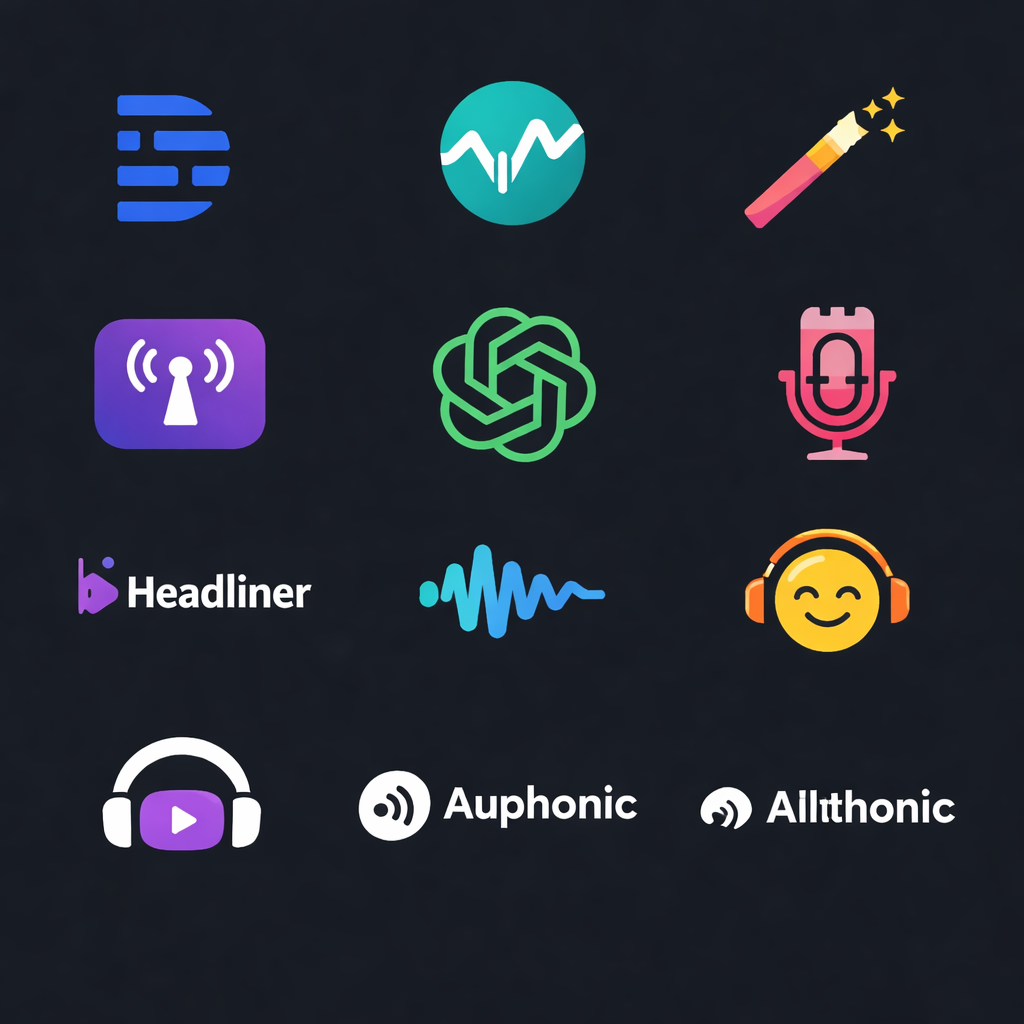
    After editing 400+ episodes, here are my top 10 AI tools that can transform your podcast workflow


    1. Descript – Edit Audio Like a Document

    Transcribes your audio instantly, allowing you to edit text instead of waveforms.

    • Auto transcription
    • Filler word removal
    • AI overdub (fix mistakes in your own voice) Best for: Editing faster without being a pro

    2. Cleanvoice – AI Audio Cleanup

    Removes background noise, filler words, and mouth sounds.

    • Multilingual support
    • Automatic noise reduction
    • Smart silence trimming Best for: Podcasters without a treated studio

    3. Castmagic – Repurpose Your Podcast

    Turns raw audio into show notes, newsletters, and social posts.

    • Episode summaries
    • Quotes & timestamps
    • Keywords & Q&A Best for: Content creators who want to market smarter

    4. Riverside – AI-Powered Recording

    Studio-quality remote recording + AI extras.

    • Local recordings in HD
    • AI show notes
    • Magic Clips for social media. Best for: Remote interviews with pro-quality

    5. ChatGPT – Your AI Podcast Assistant

    Helps with brainstorming, scripting, and promotion.

    • Write intros, scripts, & questions
    • SEO-friendly show notes
    • Guest research & outreach Best for: Creative & admin support at every stage

    6. Podcastle – All-in-One AI Studio

    Record, edit, and enhance your podcast in one place.

    • AI noise removal
    • Multitrack editing
    • Remote interviews Best for: Beginners who want simplicity

    7. Headliner – Audiograms Made Easy

    Create social-ready podcast clips with AI captions.

    • Auto-generated audiograms
    • Captions & transcripts
    • Multiple platform templates Best for: Social media promotion

    8. Sonix – Transcription & Translation

    Fast, accurate transcription in 40+ languages.

    • Multi-language support
    • AI subtitles
    • Built-in translation Best for: Global podcasters

    9. Alitu – Podcast Editing Made Simple

    Automates editing, leveling, and publishing.

    • AI cleanup of audio
    • Drag & drop editing
    • Direct hosting & publishing Best for: Busy podcasters who want automation

    10. Auphonic – Pro-Level Sound Engineering

    AI-driven audio mastering.

    • Automatic leveling
    • Background noise reduction
    • Loudness normalization (meets podcast standards) Best for: Polished sound without hiring an engineer

    Final Thoughts

    AI won’t replace your creativity, but it can supercharge it.

    • Want faster editing? → Descript, Alitu
    • Need cleaner audio? → Cleanvoice, Auphonic
    • Struggle with marketing? → Castmagic, Headliner
    • Want to scale globally? → Sonix

    With the right AI tools, you can focus more on your voice and less on the busywork.

    Which of these tools have you tried, or want to test in 2025? Drop your pick in the comments!

    Written by Yuresh | Podcast Editor

  • Struggling to Find Podcast Guests? Here’s What I’ve Learned as an Editor

    Struggling to Find Podcast Guests? Here’s What I’ve Learned as an Editor

    Struggling to Find Podcast Guests? Here’s What I’ve Learned as an Editor

    As a podcast editor, I’ve worked with dozens of hosts at different stages of their journey from brand-new shows to established podcasts with thousands of downloads. And one thing I see again and again? Finding guests is harder than people expect.

    Take Dominic’s story on Reddit, for example. He runs a niche podcast for Go programmers. After two years of solo episodes, he decided to bring on guests. He assumed that simply announcing on social media and on the show that he was “looking for guests” would bring people to him. Instead, crickets.

    Even with 500–700 listeners per episode, he wasn’t getting inbound requests. He started reaching out directly and got some wins but the process was draining and time-consuming. Sound familiar?

    From an editor’s perspective, here’s what I’ve seen actually work for podcasters struggling with guest outreach:


    1. Stop Waiting for Guests to Find You

    Unless you’re Joe Rogan, guests won’t come knocking on your door. Even in niche industries, you have to be proactive. Many people who would be great on your show don’t think of themselves as “podcast material.” A polite, personal invitation is often what nudges them to say yes.


    2. Use the Right Platforms

    • LinkedIn: Still one of the best places to find subject-matter experts. Search by industry keywords, connect, and send a tailored invite.
    • PodMatch / Podcast Guest Exchange: Paid platforms like PodMatch can save you hours by connecting you directly with people looking for podcast appearances.
    • Substack, Twitter/X, Medium: Writers and thought-leaders in your niche are usually eager to share their ideas in new formats.
    • GitHub (for tech shows): If your podcast covers programming or tech, find people who are active contributors in your language or framework of choice.

    3. Ask for Referrals from Past Guests

    This is one of the most overlooked strategies. When you wrap up an interview, simply ask: “Do you know one or two people who would be a great fit for this podcast?” Guests often move in circles full of other experts. One introduction can lead to five new bookings.


    4. Frame Your Invite the Right Way

    A generic “Hey, want to be on my podcast?” usually gets ignored. Instead, be specific:

    • Mention why you want them (e.g., their latest article, a project they’re working on, or their perspective in the industry).
    • Show credibility by referencing past guests.
    • Keep the ask simple and respectful of their time.

    5. Mix Solo and Guest Episodes

    Dominic worried about filling in with solo episodes. But here’s the thing solo episodes are powerful. They build authority, deepen your relationship with your audience, and don’t require anyone else’s schedule to align. Even established shows blend the two.


    6. Consider a Co-Host

    If your niche is small, a co-host can bring fresh energy and connections. They share the burden of finding content and often expand your guest network naturally.


    7. Don’t Be Afraid of Follow-Ups

    Many podcasters feel like following up is “annoying.” In reality, people are busy. A short, polite follow-up often makes the difference between a yes and being forgotten.


    Final Thought

    Finding podcast guests isn’t supposed to be easy. It’s outreach, networking, and persistence. But here’s the upside: when you land those right-fit guests, they not only create great episodes, they often share the show with their networks, helping you grow.

    If you’re struggling, remember: you’re not alone. Most podcasters face this challenge, and the ones who succeed are the ones who stay proactive.

    Written by Yuresh, Podcast Editor & Producer

  • How to Handle Tech Issues, Sudden Deletions, and Emergencies in Podcasting

    How to Handle Tech Issues, Sudden Deletions, and Emergencies in Podcasting

    If there’s one lesson editing 400+ podcast episodes has taught me, it’s this: Tech issues don’t knock before they arrive.

    Hard drives fail. Files corrupt. Software freezes. Power cuts happen at the worst possible time. And when you’ve got a deadline or an excited client waiting for their episode, even a single deleted file can feel like disaster.

    The only way to survive, and thriveis to plan for these moments before they happen.

    My Personal Backup Rules as a Podcast Editor

    Over the years, I’ve built systems that keep me calm when chaos hits. Here are the strategies I use:

    1. The 3-2-1 Rule

    This is my golden rule for backups:

    • 3 copies of every file
    • 2 different storage types (external drive + cloud)
    • 1 offsite copy (Dropbox/Google Drive)

    This way, no matter what happens,laptop crash, office power outage, or even natural disasters,you always have a path to recovery.

    Article content

    2. Pre-Edit Backups

    Whenever I receive raw podcast recordings, I don’t touch the original. I convert WAV to FLAC first. Why?

    • FLAC is lossless (quality stays intact)
    • File size shrinks dramatically (sometimes 75% smaller)
    • Easier to move and store

    For example:

    • WAV (109 mins stereo) → 551 MB
    • FLAC (converted to mono 44.1kHz) → 133 MB

    That’s 4x smaller without losing audio quality.

    3. Integrity Checks

    Backups are useless if the files are corrupted. That’s why I run integrity checks whenever moving files between drives or cloud systems. This ensures what I restore later is exactly what I saved.

    Article content

    4. Multi-Layered Archiving

    Here’s how I store completed podcast episodes:

    • Local copy on my machine
    • Weekly sync to an external hard drive
    • Cloud backup (Dropbox/Google Drive)
    • Old archives on a “cold storage” external drive that’s kept offline

    It might sound like overkill, but when a client once asked for a 2-year-old episode, I was able to pull it up within minutes.

    Real-Life Lesson

    One time, after finishing a full 40-minute podcast edit, my DAW froze and the project file wouldn’t open again. For a few minutes, I thought I’d lost hours of work.

    But thanks to my autosave + backup system, I only lost about 3 minutes of progress. That moment taught me: backups aren’t optional, they’re insurance.

    Article content

    Final Thought

    If you’re podcasting, whether as a hobby or a business, your audio files are your assets. Protect them like gold.

    • Build backups before you need them
    • Automate wherever possible
    • Test your restores,don’t just assume backups are safe

    Because one day, a sudden crash or accidental deletion will happen. The only question is: will you be ready, or will you panic?


    Question for you: What’s your current backup workflow, are you relying on just one drive/cloud, or do you have a multi-layered safety net?

    Written by Yuresh | Podcast Producer & Editor | Helping creators protect their content & sound their best

    #Podcasting #Backups #TechTips #Productivity #ContentCreation