(From my experience editing 400+ podcasts over 5 years)
Discover the biggest podcasting myths holding creators back in 2026. From equipment and monetization to growth and consistency, learn what really matters from 5 years of editing 400+ podcasts. Podcasting is growing faster than ever. But after working with hundreds of podcasters, I’ve noticed that many beginners (and even some seasoned hosts) fall into the same traps, believing podcasting myths that hold them back.
Let’s bust some of the biggest misconceptions I see every day:
1) You need expensive equipment to start
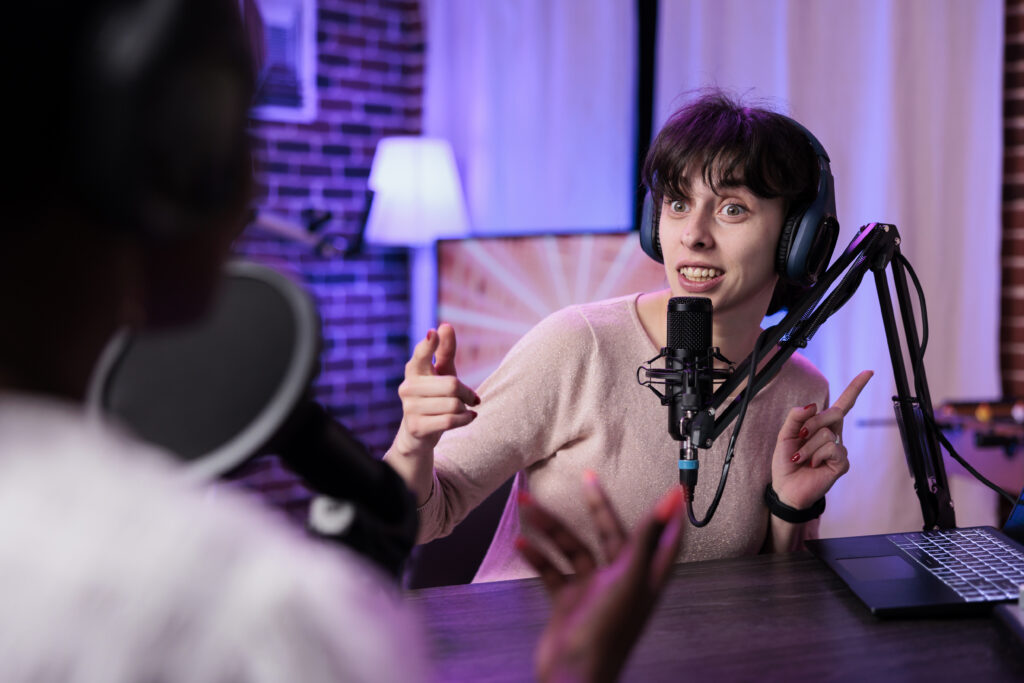
This is the #1 excuse I hear. Truth is, you don’t need a studio full of fancy gear to launch. A decent USB mic, headphones, and free software like Audacity or Descript are more than enough to get started. Good editing and clear recording matter way more than a $1,000 mic setup.
2) You need a huge audience to make money
Not true. I’ve seen shows with just 500 loyal listeners bring in sponsors and sell coaching programs. Monetization is about engagement, not numbers. A small but dedicated audience that trusts you will support you far more than a big, passive one.
3) The podcast market is oversaturated
I hear this all the time: “There are too many podcasts already.” But here’s the reality: most podcasts quit after 10 episodes (the famous “podfade”). Out of millions of podcasts, only a few hundred thousand are actually active. Your unique voice and perspective still matter.
4) Longer episodes = better episodes
Not true. The best length is as long as your content stays valuable. I’ve edited 15-minute episodes that outperformed 90-minute ones because they respected the listener’s time. Focus on clarity and flow, not hitting an arbitrary runtime.
5) You need to be an expert to start
Nope. Some of the best podcasters I’ve edited are not “experts” but learners. They share their journey, interview others, and create a community around curiosity. Listeners care more about authenticity and connection than credentials.
6) You need to publish daily
Consistency matters more than frequency. If weekly feels overwhelming, start biweekly. I often recommend 2 episodes per month for beginnersit’s sustainable, gives you room to plan, and avoids burnout.
7) Social media will grow your show by itself
Posting clips is great, but social media alone won’t build your audience. From my experience, growth comes from:
- SEO-friendly show notes & website
- Networking with guests (shared audiences!)
- Newsletters & word-of-mouth Social is a tool, not the engine.
8) Success happens overnight
Podcasting is a long game. Yes, there are exceptions, but most successful shows took monthsor even yearsof consistent publishing, refining, and engaging with listeners before things really took off.
Final Thought
After editing hundreds of podcasts over the years, one pattern shows up again and again: most shows don’t fail because the creator lacks talent or ideas—they fail because the creator believes the wrong things about podcasting. These myths create unnecessary pressure, delay launches, and make people quit before they ever find their rhythm. When podcasters think they need perfect gear, instant growth, or expert status, they set themselves up for frustration instead of progress.
The reality is far more encouraging. Podcasting rewards consistency, clarity, and connection far more than polish or scale. A simple setup, a realistic release schedule, and an honest voice will always outperform perfectionism. The shows that last are the ones that treat podcasting as a long-term relationship with their audience, not a quick win or viral experiment.
What I’ve learned as an editor is that momentum comes from sustainable habits. Recording ahead, editing with intention, listening to feedback, and giving yourself permission to improve over time makes all the difference. Growth compounds quietly, and confidence builds episode by episode.
If you’re starting—or restarting—in 2026, leave these myths behind. Focus on serving your listeners, showing up consistently, and enjoying the process. That’s how podcasts stop fading out and start building something that lasts.
Leave a Reply